What FIFO means in Australia
FIFO sounds simple from the outside: fly to site, work your roster, fly home, repeat. Living it is different.
I spent roughly a year working as a geotechnician in Australia, moving through the rhythm of remote mine sites, early starts, long days, dust, heat and camp life. It was one of those periods that quickly stopped feeling like a normal job and became its own little world.
For people looking at FIFO work in Australia from the outside, the money and time off usually get most of the attention. Those things matter. But they are only part of it.
FIFO stands for fly-in, fly-out.
Instead of living permanently near the mine, workers travel to a remote site for a block of work and then return home for their time off.
The exact roster depends on the company, site and position, but the basic pattern is the same: while you are on site, work dominates almost everything.
You wake up at camp.
You go to work.
You eat at camp.
You sleep at camp.
Then you do it again.
There are fewer of the usual interruptions of normal life. No commuting home after work, no meeting friends for dinner, no wandering around town because you have nothing better to do.
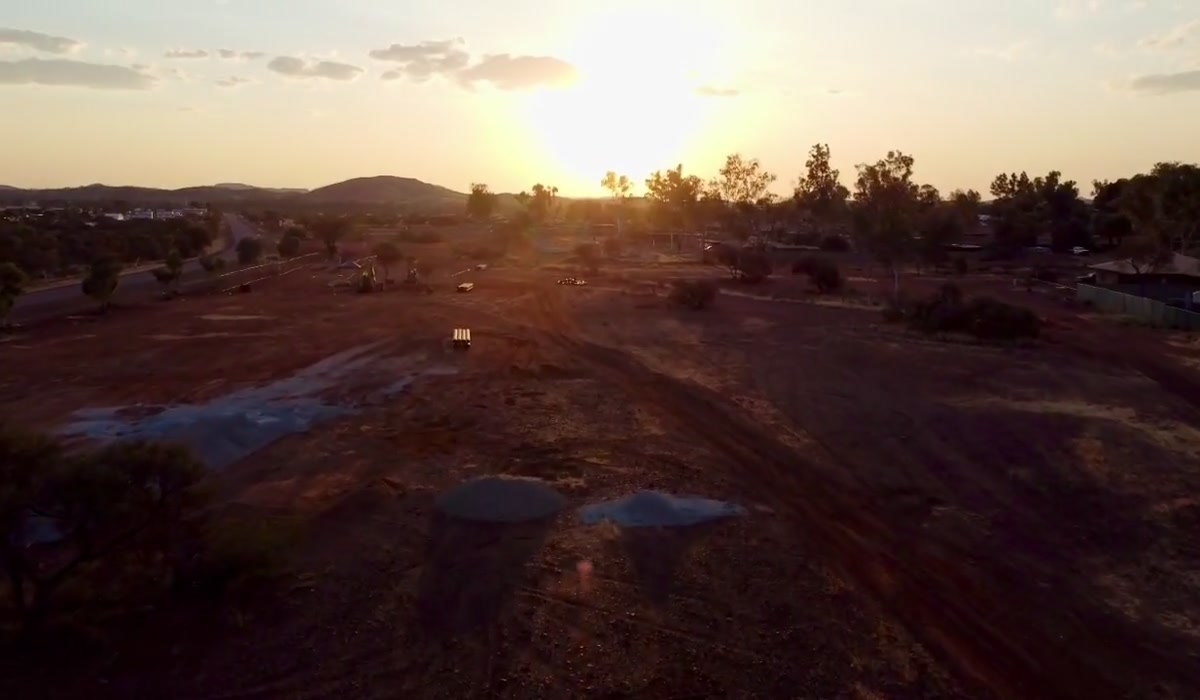
Working as a FIFO geotechnician
My role was as a geotechnician, working around the geological and geotechnical side of mining operations.
It is the kind of job most people outside the industry rarely hear about.
Mining is not simply people driving enormous machines and digging holes. Behind it is a large technical operation involving geology, drilling, sampling, surveying, engineering, safety and constant documentation.
A geotechnician sits somewhere inside that machine. The work can be repetitive. It can be physical. Conditions can be hot, dusty and uncomfortable. But there is also something satisfying about working in an environment where the purpose of the day is extremely clear. You arrive. There is work to do. You do it. Then you come back the next day and continue. After enough time, that routine becomes normal.
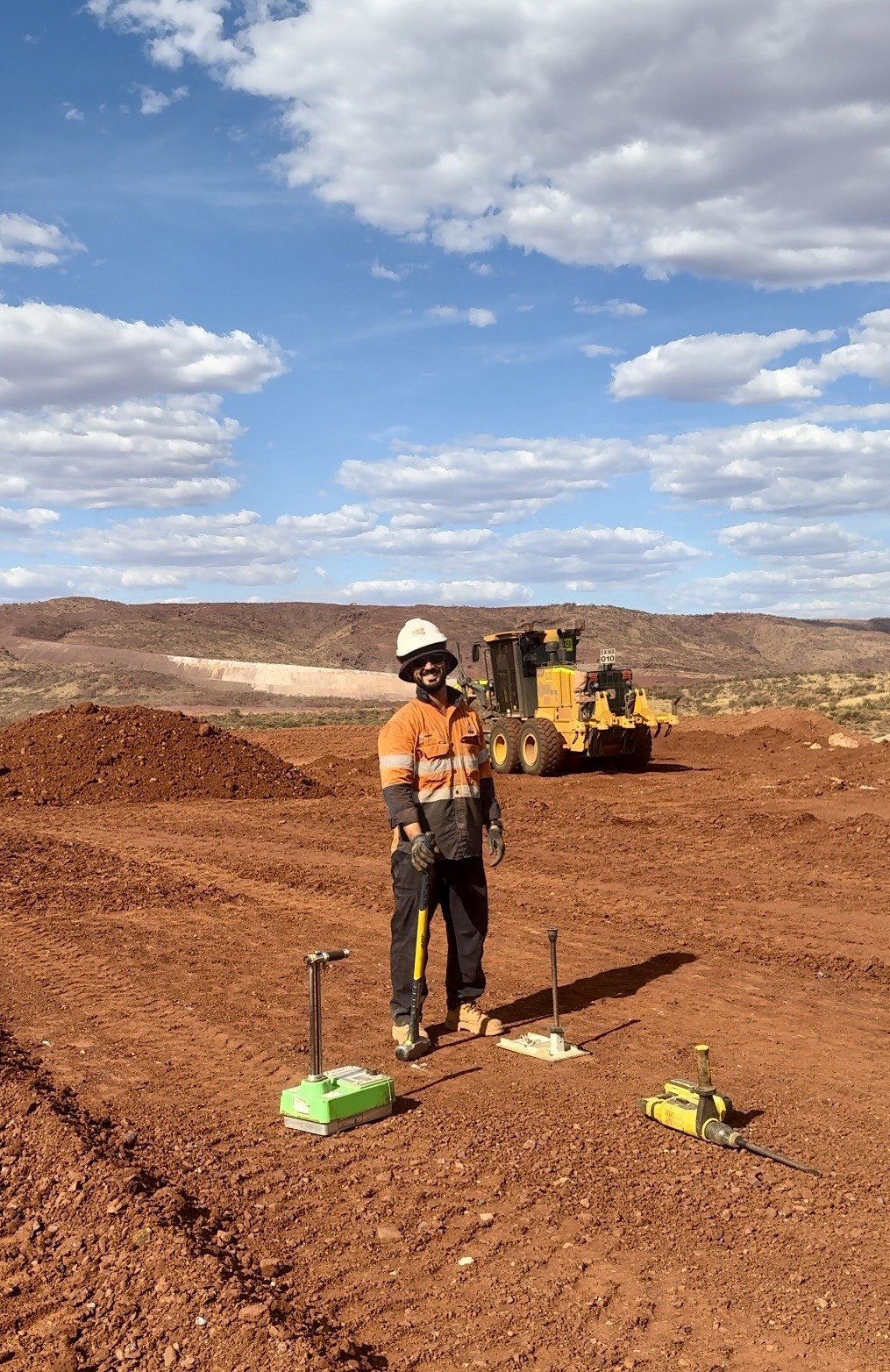
Life on a remote Australian mine site
One of the stranger parts of FIFO is how quickly a mine camp begins to feel ordinary.
At first, everything is unfamiliar. The high-vis clothing. The buses. The safety procedures. The camp rooms. The dining hall. The constant movement of workers beginning or finishing their shifts.
Then after a while it simply becomes your environment.
You stop thinking about the fact that you are living in the middle of nowhere. The camp is home for the roster. Your coworkers become the people you see every day. And the outside world starts to feel unusually far away.
That isolation is one of the parts of FIFO that is difficult to explain to somebody who has never done it. You can be surrounded by hundreds of people and still feel very removed from ordinary life.
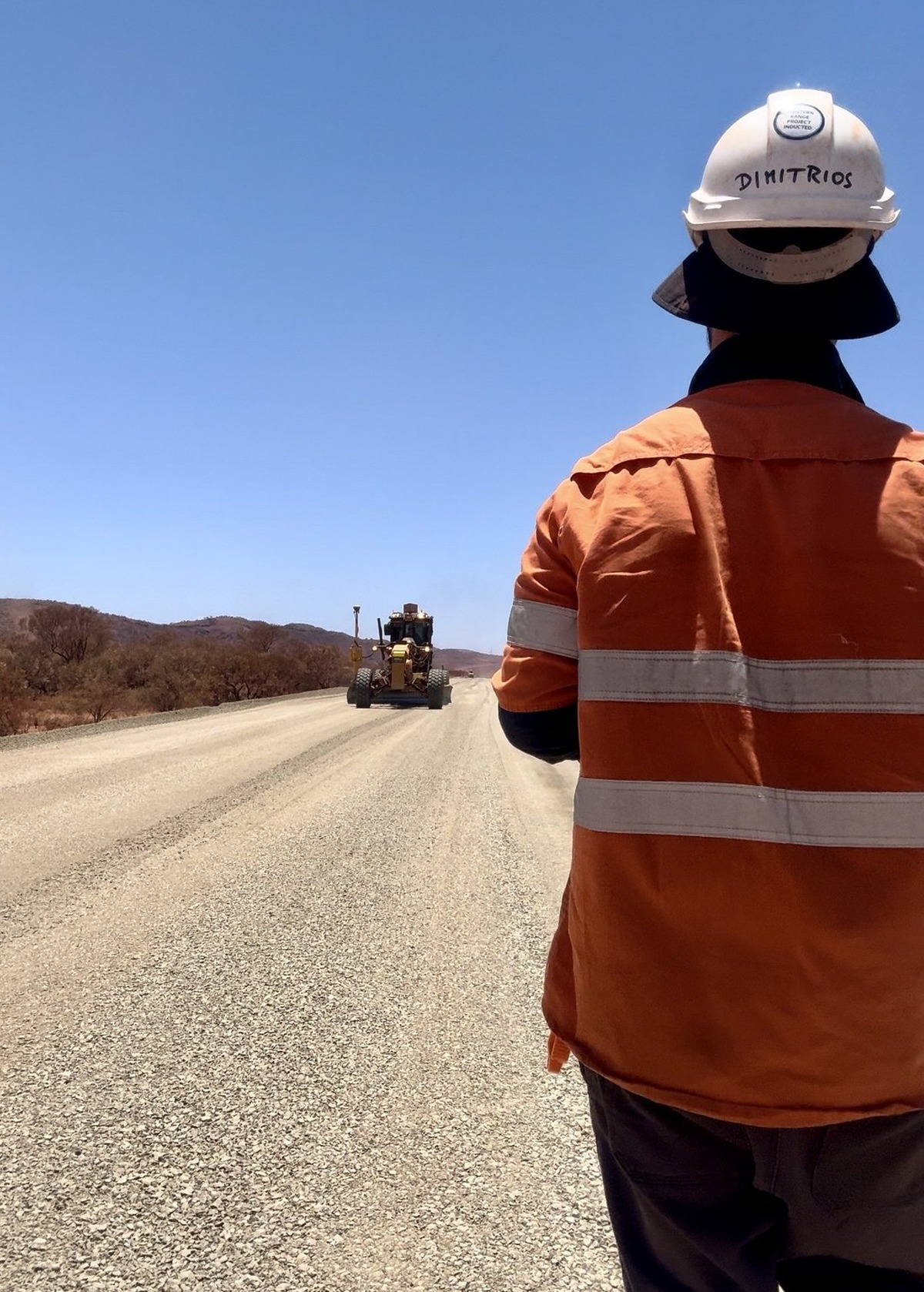
The good side of FIFO
There are reasons people stay in FIFO for years.
The work periods are intense, but when the roster finishes, you actually leave. There is a clear separation between work and time off that many ordinary jobs do not have.
The money can also make the lifestyle worthwhile, particularly if you have a reason for doing it rather than simply increasing your spending to match your income.
And there is something I liked about the simplicity. For those weeks, there was not much ambiguity about what mattered.
Work. Eat. Train. Sleep. Repeat.
It removes a lot of noise.
The difficult side
The same simplicity can become the problem.
The days begin blending together. You see the same environment, the same people and the same routine repeatedly.
You miss things happening elsewhere. And depending on the roster, your life starts operating on a completely different timetable from everyone outside the industry.
FIFO can give you freedom. But while you are on site, it can also feel strangely confined.
Both things can be true at the same time.
Would I do FIFO again?
Yes.
Not because I think FIFO is some perfect lifestyle, and not because I would recommend it to everybody.
It worked for me because I understood what I wanted from it. I was there to work.
Australia gave me the opportunity to make good money, experience an industry I knew very little about beforehand and live in an environment I probably never would have seen as an ordinary traveller.
And despite everything difficult about it, that period became one of the more memorable chapters of my life.
Enough that I eventually wrote a book about it.
This chapter became Down Under
My year working across Australian mine sites eventually became Down Under.
The book goes much further than the work itself — into the people, the isolation, the routines, Australia outside the mine sites, and what happened when a temporary job became an entire period of my life.